
یہ بھی دیکھیں


 16.04.2026 12:34 AM
On Wednesday, the EUR/USD pair continued its upward movement for the eighth consecutive day amid U.S. dollar weakness. This creates conditions for the euro's growth, as markets are buoyed by optimistic expectations of a resumption of negotiations between the U.S. and Iran. The primary driver of the euro's rise is the weakening of the dollar rather than significant fundamental indicators of the Eurozone economy.
Currently, the EUR/USD exchange rate is trading around 1.1800, near monthly highs. However, price dynamics remain constrained due to a lack of fresh geopolitical news. The U.S. Dollar Index (DXY), which tracks the dollar's performance against six major currencies, remains near March lows.
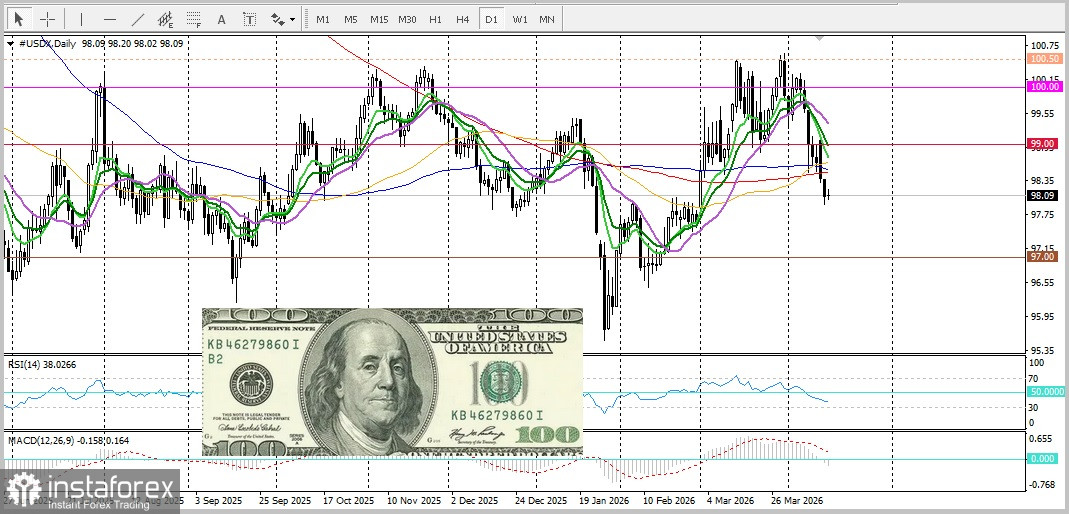
Investors are eagerly awaiting confirmation of a second round of peace talks following Trump's comments that discussions could take place "over the next two days" in Pakistan. In an interview with Fox Business, he said, "The war with Iran could end very soon."
This has heightened hopes for a potential agreement, especially after unsuccessful negotiations last week that led to the U.S. decision to impose a naval blockade in the Strait of Hormuz.
At the same time, the Washington Post reported that the Pentagon is preparing to deploy thousands of additional troops to the Middle East in the coming days as the U.S. increases pressure on Iran to conclude a deal, maintaining a high level of uncertainty.
In addition to geopolitical factors, inflation risks stemming from high oil prices continue to influence expectations of monetary policy from both the Federal Reserve and the European Central Bank. Although hopes for the de-escalation of conflicts have led to a decline in oil prices from recent highs, alleviating pressure on central banks to tighten monetary policy, prices are still high and remain significantly above pre-conflict levels, keeping inflation risks in focus. Markets are now anticipating that the Fed will maintain interest rates at current levels in the coming months, while the ECB is considering raising them.
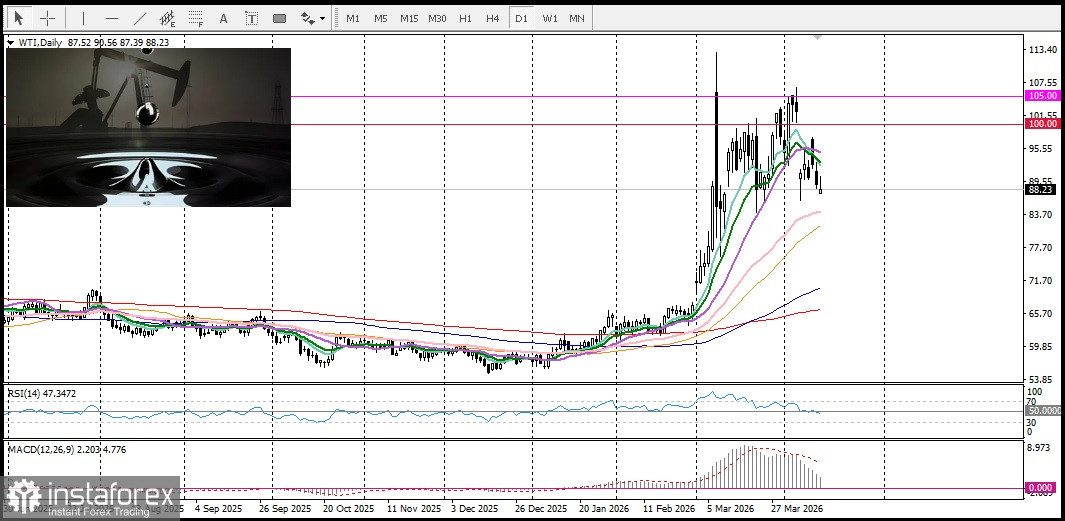
Further actions by traders will focus on analyzing Eurozone inflation data, with publication expected on Thursday, following preliminary reports indicating inflation growth above the ECB's target level of 2%.
ECB President Joachim Nagel stated that the monetary policy decision in April will depend on the situation in the Strait of Hormuz, noting that the "lack of clarity" forces the ECB to keep "all options on the table." Nagel also emphasized the absence of pre-commitments regarding interest rates and that the ECB aims for price stability.
In conclusion, the President of the Federal Reserve Bank of Cleveland, Beth Hammack, stated that "rates are in a balanced state," adding that "the main task is to keep rates at current levels for some time."
From a technical perspective, the pair is trading above key moving averages. Oscillators are positive, indicating an advantage for bulls. The nearest support is at 1.1750, followed by the round level at 1.1700. The round level at 1.1800 serves as resistance. After that, the pair will be poised to challenge the next resistance zone around 1.1830 – 1.1850 on its way to the round level at 1.1900.


