Vea también


 02.07.2026 08:46 AM
The dollar came under pressure from sellers after the recent speech by the new Federal Reserve Chairman, Kevin Warsh, indicated a noticeably softer stance by the committee than previously expected.
In his statement, which many analysts have already labeled a turning point, Warsh emphasized that the sharp decline in energy prices opens new opportunities for the central bank to adopt a more flexible and considered policy regarding future interest rates. This statement immediately affected the dollar exchange rate, which declined significantly amid new expectations. Traders, who were previously concerned about further tightening of monetary policy, began to reassess their portfolios, seeking more attractive opportunities in other assets.
Warsh's words carry not only immediate market reactions but also long-term implications for the global economy. The caution he mentioned may indicate the Fed's readiness for a more nuanced approach to monetary policy that accounts not only for inflation expectations but also for the dynamics of other macroeconomic indicators, including the labor market.
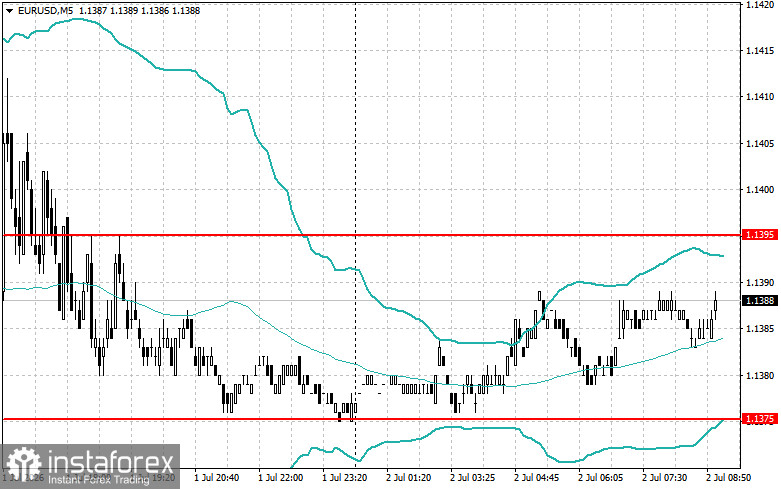
The first half of today in financial markets promises to be relatively calm, with the main macroeconomic event being the release of the Eurozone unemployment rate for May. Market participants generally agree that the unemployment figures are unlikely to significantly affect current market dynamics or prompt major shifts in investor sentiment. It is expected that the unemployment rates in the Eurozone will remain within forecasted levels, reflecting resilience but without dramatic deviations that could trigger sharp reactions.
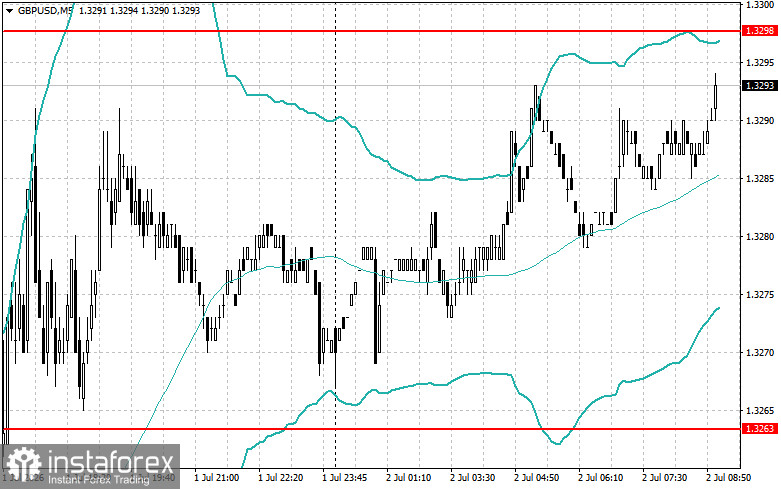
As for the pound, there are no significant reports from the UK today, with only a speech by Bank of England MPC member Catherine L. Mann expected. This supports the prospects for further growth in the GBP/USD pair. The lack of fresh macroeconomic data from the United Kingdom forces traders to rely on indirect signals and expectations regarding future monetary policy. In such conditions, even verbal interventions from representatives of the Bank of England take on special significance, helping to shape market sentiment. Catherine L. Mann's speech, as a member of the Monetary Policy Committee, offers insight into the central bank's current views on the economic situation and potential future actions—especially after BoE Governor Andrew Bailey adopted a relatively dovish stance. Markets will scrutinize every word, looking for hints of possible changes to interest rates or other monetary easing or tightening measures.
If the data aligns with economists' expectations, it's better to operate using a Mean Reversion strategy. If the data is significantly above or below economists' forecasts, a Momentum strategy would be most effective.